
Buyer’s Guide
Ute Tray Dimensions & Legal Guide (Australia)
A plain-English reference for ute tray dimensions, common sizes, overhang and payload rules in Australia. Tray length and width depend on your cab configuration — and any load you carry has to stay inside the legal limits set by your state road authority.
Updated 13 June 2026 · By Duratray Transport Equipment
Standard ute tray dimensions by cab
Tray length is set by your cab configuration. Width is largely consistent across the popular utes. These are typical guides — your final dimensions depend on the tray model you choose, and every Duratray build is sized to suit your specific vehicle.
| Cab | Common tray length | Common tray width |
|---|---|---|
| Single cab | ≈ 2,400 mm | 1,800–1,900 mm |
| Extra / space / king / club / super cab | ≈ 2,100 mm | 1,800–1,900 mm |
| Dual cab | ≈ 1,800 mm | 1,800–1,900 mm |
Dropside height on Duratray alloy trays is typically around 225–250 mm. Floor thicknesses and reinforcement vary by model — see individual aluminium and steel tray product pages for exact specs.
How wide can a ute tray be?
Most ute trays are around 1,800–1,900 mm wide so they suit standard Australian load patterns (and stay within the vehicle’s legal width). Trays wider than ~1,900 mm start to create overhang and visibility issues and are uncommon. The maximum legal vehicle width in Australia is 2,500 mm, but no popular cab-chassis ute needs anywhere near that.
Legal overhang in Australia
Loads cannot extend beyond the vehicle in a way that creates a hazard. National guidance under the heavy-vehicle rules and state road authorities set the limits roughly as:
- Rear overhang: loads typically must not extend more than 1,200 mm beyond the rear of the body (and never more than 60% of the wheelbase). Anything sticking out beyond ~150 mm must be flagged in daylight, and lit at night.
- Front overhang: generally 1,200 mm beyond the front of the vehicle, but should not impair the driver’s view.
- Side overhang: a load can’t protrude more than 150 mm beyond either side, and total width can’t exceed 2,500 mm.
These figures are general guidance, not legal advice — check the current rules with your state road authority (TMR in QLD, RMS/Transport for NSW, VicRoads, etc.) before carrying an oversized load.
Tray weight & your payload
Every kilo the tray weighs is a kilo you can’t legally carry. A typical alloy ute tray weighs significantly less than the equivalent steel build — that protects your payload (the difference between your tare weight and GVM). Heavy steel trays on lighter utes can eat 100–200 kg of usable payload before you’ve loaded a thing.
Want to make the most of your payload? Read our aluminium vs steel comparison.
Does a ute tray need to be engineered?
Replacing a factory tub with an aftermarket tray on a cab-chassis ute is normal and doesn’t require engineering on its own. Where you may need a compliance/engineering certificate is when the change affects vehicle specifications — for example a non-standard chassis-mount conversion, a GVM upgrade, a body that’s heavier than the original, or specific commercial-vehicle applications. Get in touch and we’ll tell you what your build needs.
Frequently asked questions
What are standard ute tray dimensions?
How wide is a ute tray in Australia?
How much overhang can you legally have on a ute tray?
How long is a typical ute tray?
How heavy is a ute tray?
Do you need an engineer’s certificate for a new ute tray?
Are ute trays universal?
How big is a ute tray in cubic metres?
Featured in this guide
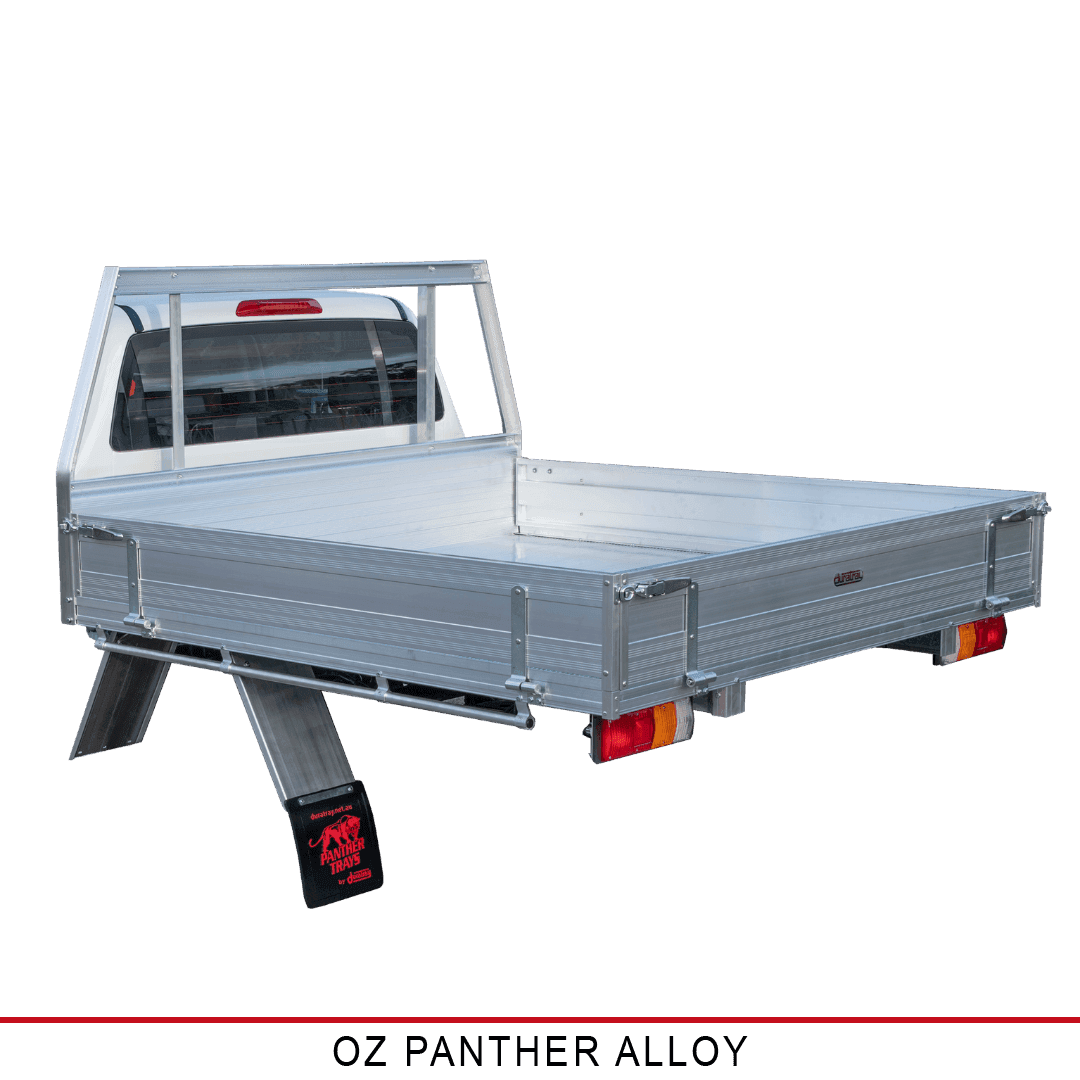
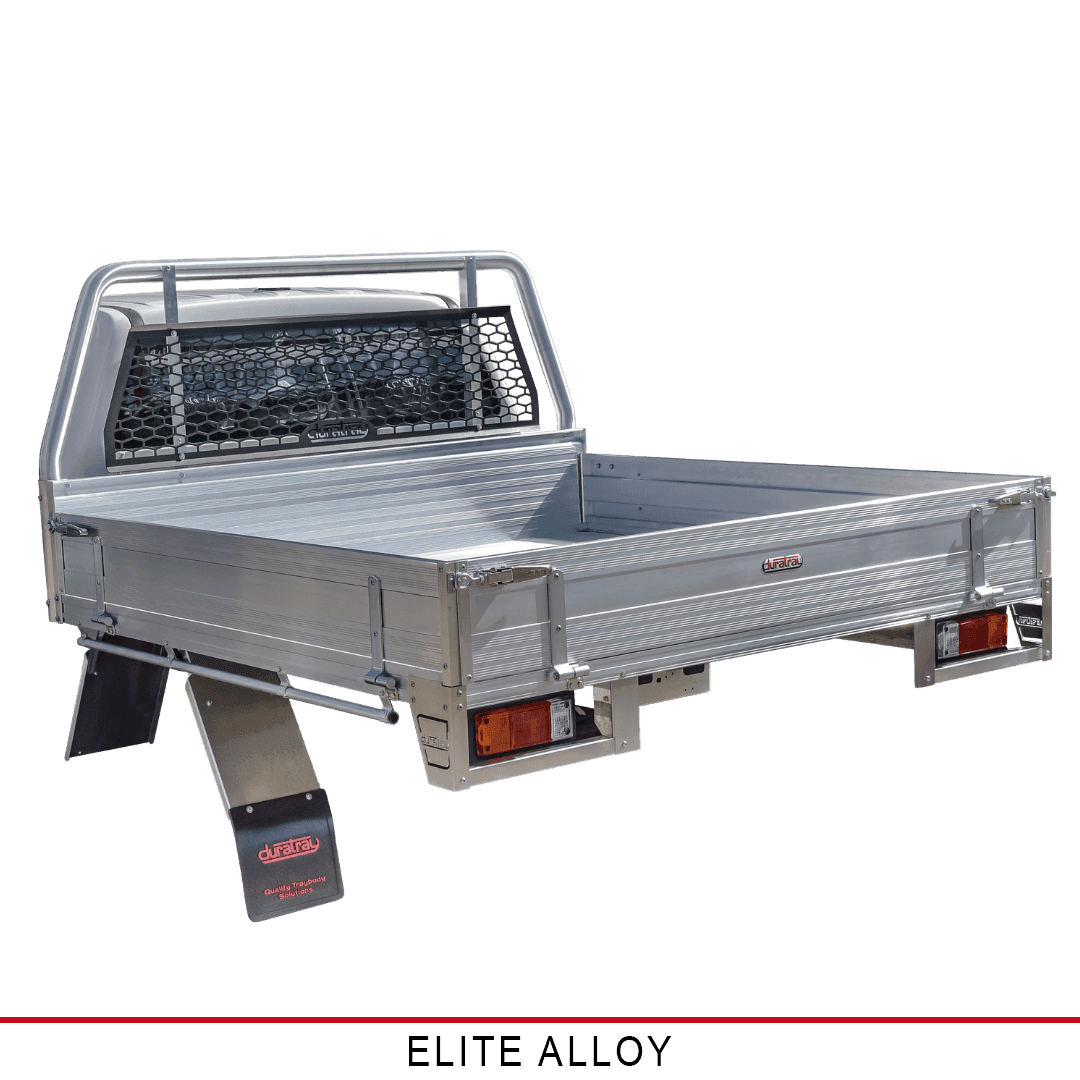
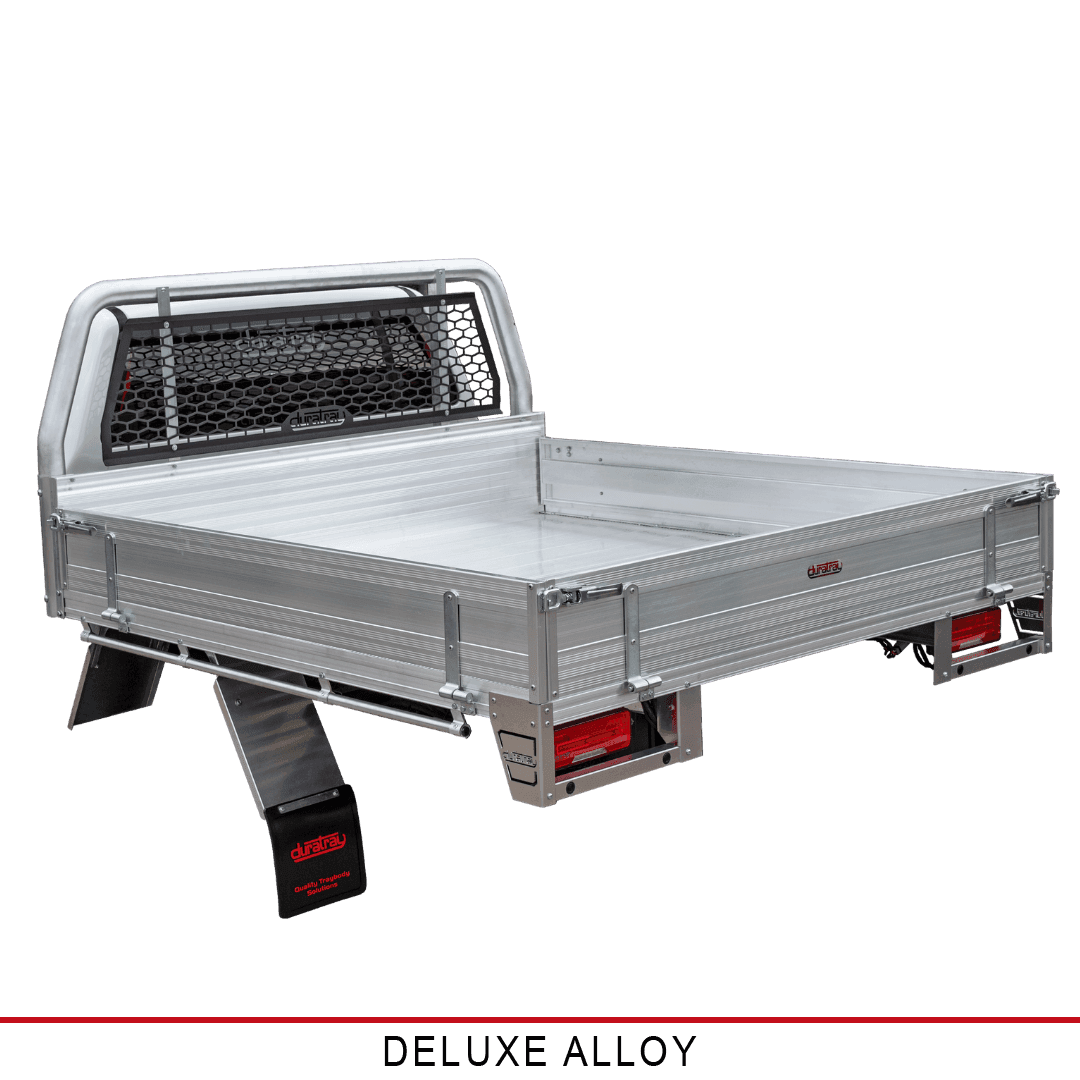
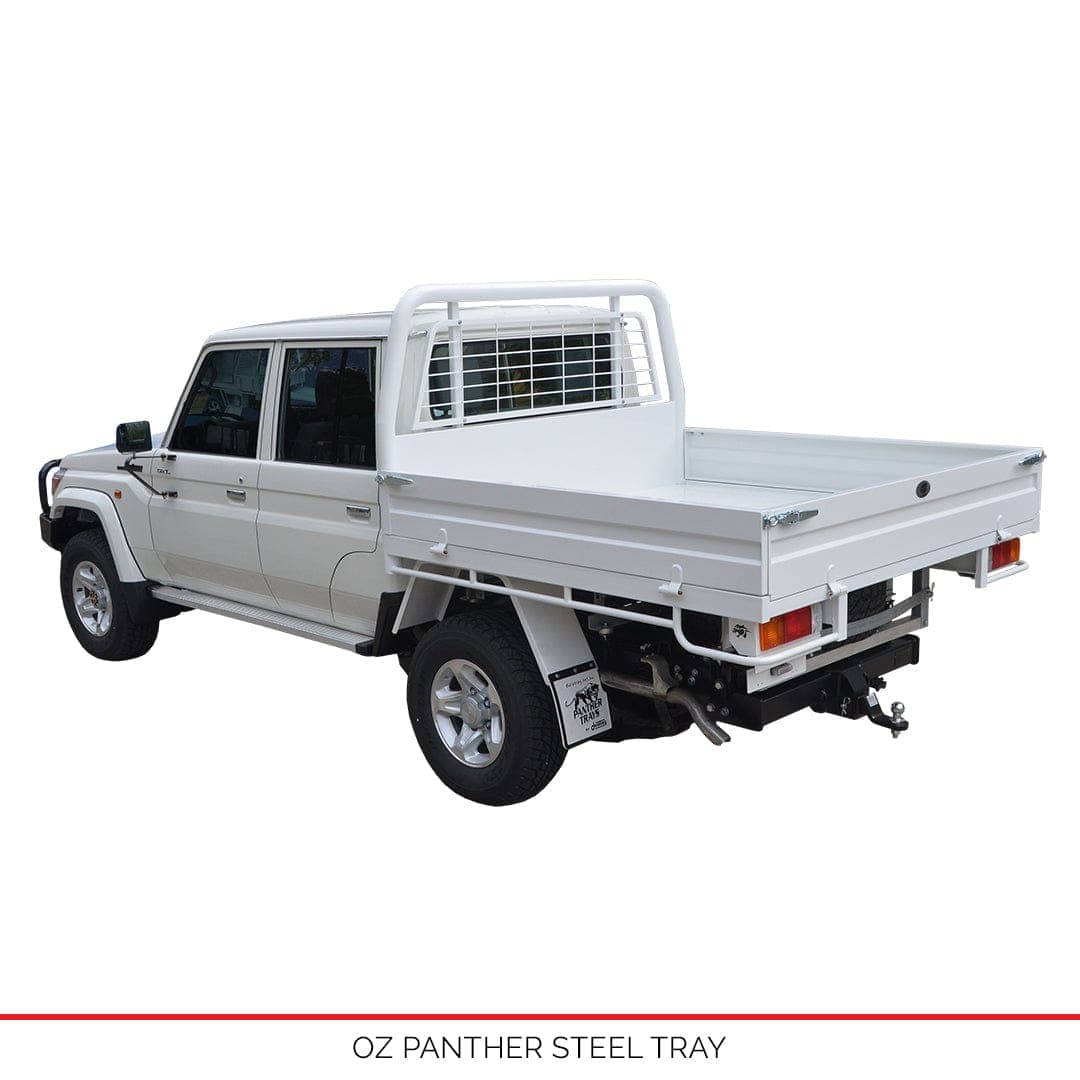
Explore the range
Ready for a tailored quote?
Tell us your vehicle and what you need — we’ll do the rest.